If you need TORC cleaning for a listed building, church, historic façade, boundary wall or other traditional stone structure in Yorkshire, speak to Validus Construction. We can assess the condition of the masonry, advise whether TORC, DOFF, Thermatech or a combined approach is likely to be appropriate, and help you move forward with a practical, building-specific cleaning strategy.
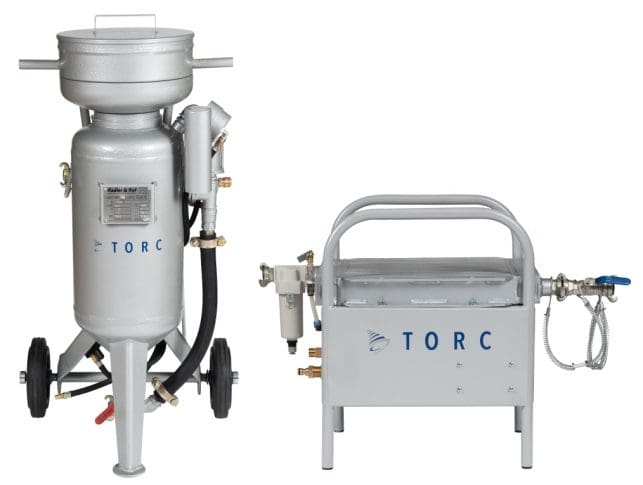
TORC Cleaning for Listed Buildings and Historic Stone in Yorkshire
Validus Construction provides specialist TORC cleaning for historic masonry, listed buildings, carved stonework and other delicate surfaces where a careful, conservation-led approach is essential. Developed by Stonehealth, the TORC system uses low air pressure, a fine inert granulate and a small amount of water to reduce stubborn deposits without relying on harsh chemicals. It is particularly well suited to sensitive masonry where the aim is to clean responsibly, not to over-strip the surface or force an unnaturally “new” finish.
How TORC cleaning works
Unlike high-pressure washing, TORC creates a controlled swirling vortex through a specially designed nozzle. That gives far greater control over the surface and allows settings to be adjusted to suit the substrate, the condition of the masonry and the contamination being removed. On heritage work, that level of control matters. Guidance from conservation bodies consistently stresses that historic stone should only be cleaned where there is a clear justification, and that the chosen method must be tested first on an inconspicuous area.
When correctly specified, TORC is especially effective for carbon sulphation, soot, smoke residues, brittle paint layers, limescale and other mineral or atmospheric deposits that do not always respond well to steam cleaning alone. Stonehealth’s own guidance also positions TORC as the preferred option for many carbon-heavy façades and older brittle coatings, while DOFF and ThermaTech machines are often better where biological growth such as algae, moss or lichen is the main issue. In practice, the right answer depends on the deposit, the stone and the result agreed from the trial panel.
Get a quote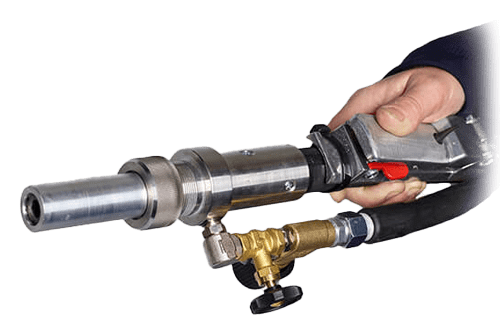
TORC, DOFF, ThermaTech or a combined approach
The best heritage cleaning projects do not start with a one-size-fits-all machine choice. They start with inspection, testing and a conservative specification. TORC is commonly selected for controlled reduction of carbon crusts, brittle paints and similar residues. DOFF and ThermaTech machines are often chosen for biological growth, general grime and some modern coatings because its superheated water system can remove contamination with minimal saturation. Where a building has mixed soiling, both systems may be used in sequence to achieve the safest overall result.
For clients, specifiers and custodians of traditional buildings, the priority is not simply getting the surface cleaner. It is protecting historic fabric, controlling risk and making sure the method suits the building. That means clear surveys, sensible test panels, agreed standards for the finished appearance and an approach that respects the character of the masonry. This is especially important on listed buildings and within conservation-sensitive locations, where stone-cleaning proposals may need consent, trial areas and supporting documentation before full works can proceed.
TORC FAQs
-
What is TORC cleaning?
TORC is a Stonehealth cleaning system that uses low air pressure, a fine inert granulate and low water use in a swirling-vortex action to clean masonry sensitively. -
When is TORC better than DOFF and ThermaTech?
TORC is typically preferred for carbon sulphation, brittle paints, limescale and similar mineral or crusted deposits, while DOFF and Thermatech machines are often better for biological growth and some newer coatings. -
Is TORC suitable for listed buildings?
It can be, but only where cleaning is justified, conservatively specified and proven by trial panels. Conservation guidance stresses that cleaning historic fabric should never be routine. -
Can TORC remove carbon staining and old paint?
Yes. Stonehealth specifically positions TORC for carbon sulphation, brittle paints, limescale and related deposits on masonry.
- How much pressure and water does TORC use?
Stonehealth says TORC can clean effectively at 1 to 2 bar and has a maximum of 8 bar. Water consumption is low, but Stonehealth publishes both an approximate 25 litres per hour figure and a maximum 1.5 litres per minute figure, so exact usage should be confirmed for the system setup in use.
- Do I need consent to clean stonework in Yorkshire?
For listed buildings, usually yes. Historic England says clean stonework may require listed building consent, and Yorkshire’s listed-building guidance states listed building consent is required for stone cleaning to listed buildings, with planning permission also required for stone cleaning of buildings in conservation areas. Always confirm with the planning authority before work starts.
- Why are test panels important?
Test panels allow the client, contractor and conservation stakeholders to agree the finish, prove the method and avoid over-cleaning before the main works proceed.
- Can TORC, DOFF and TermaTech machines be used together?
Yes. Stonehealth says mixed-soiling projects may require a combination of systems following inspection, material testing and sample panels.
More heritage and restoration services
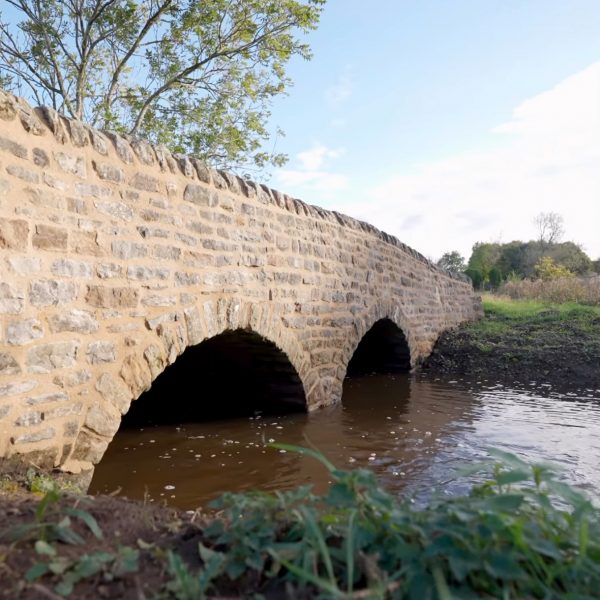
Bridges
Repairs, replacement, restoration, and rebuilds of old bridges of all shapes and sizes.
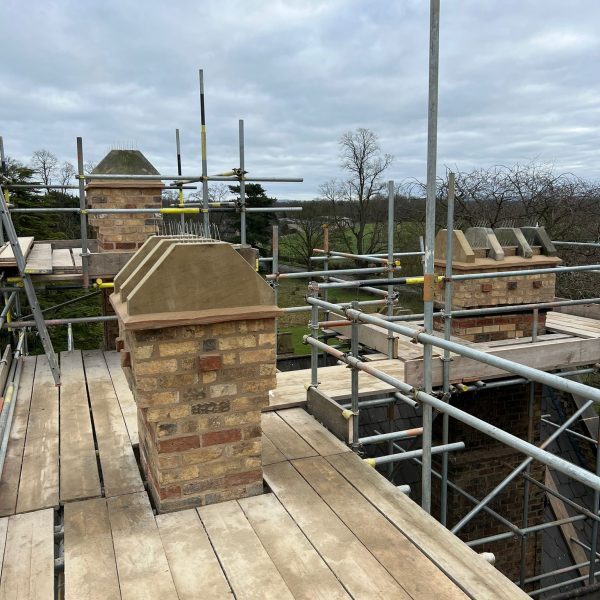
Chimneys
Repairs, replacement, restoration, and rebuilds of old bridges of all shapes and sizes.
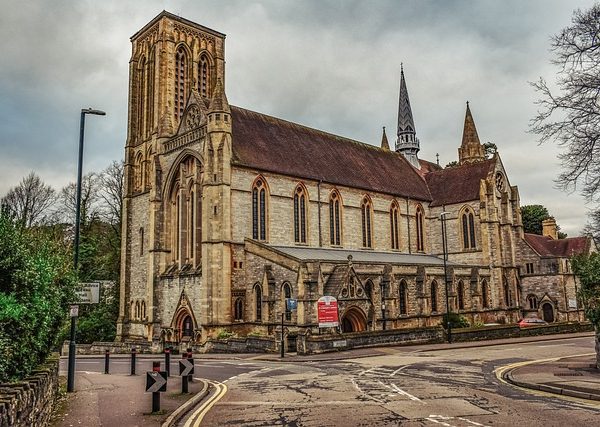
Ecclesiastical buildings
Restoration, extensions, repairs, and construction work for places of worship.
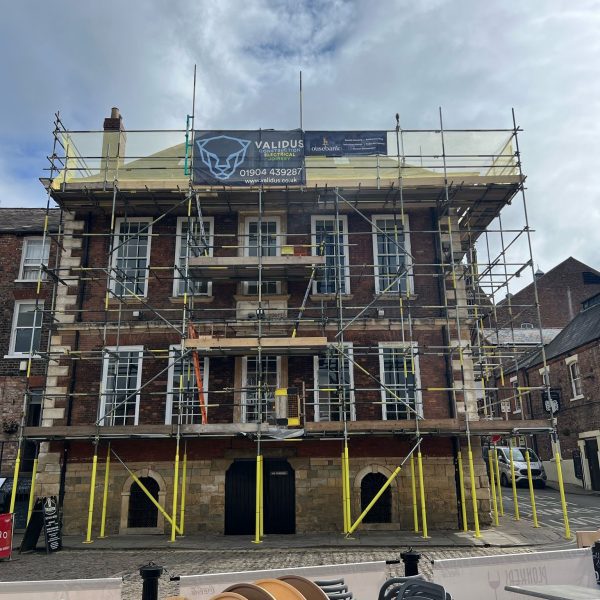
Grade-listed buildings
Repair work, restoration, and extensions to Grade II and other listed buildings.
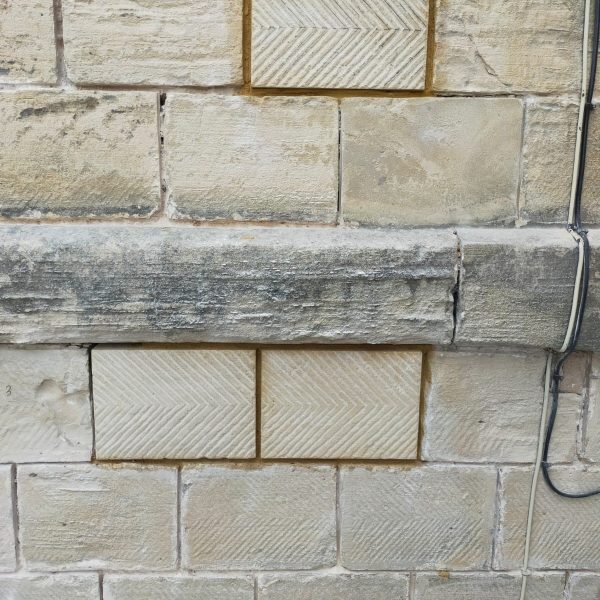
Restoration
Working to restore heritage buildings and structures in line with the original design.
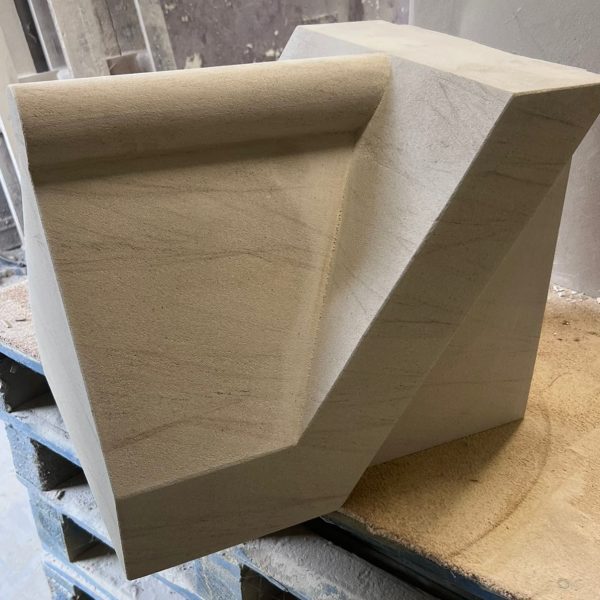
Stonework
Traditional stonework on building and garden walls, bridges, and other structures.
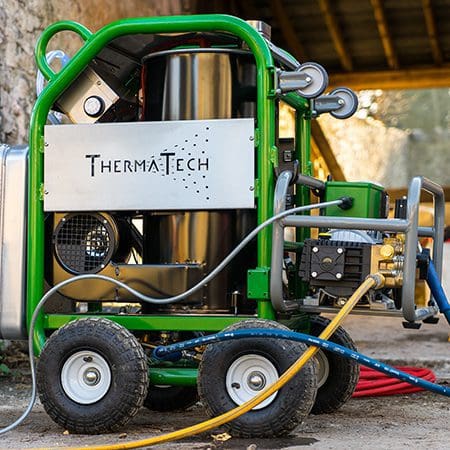
ThermaTech Steam Cleaning
Specialist ThermaTech steam cleaning for listed buildings, façades, brick and stone. Yorkshire surveys, test panels and heritage-safe steam cleaning.
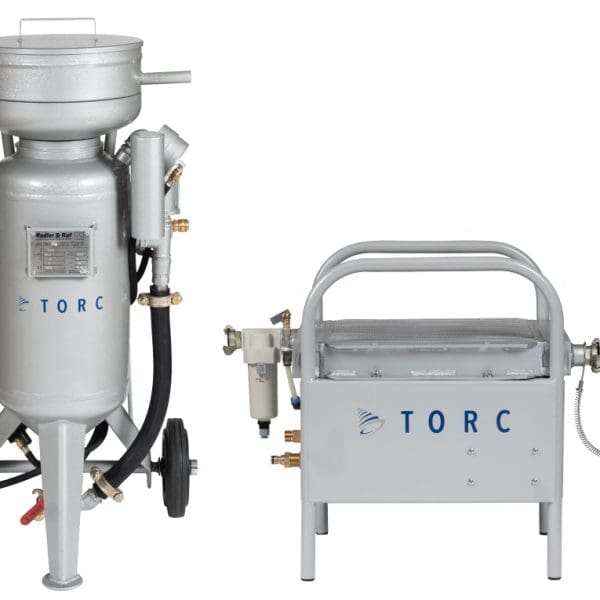
TORC Cleaning
Specialist TORC cleaning for listed buildings, sandstone and historic masonry in Edinburgh. Careful, conservation-led stone cleaning by Validus Construction.
Contact us today
Tell us about your historic building work today, whether you need repairs, planning assistance, or help with a restoration project. Discuss your plans with one of our friendly experts and they’ll advise on how we can help and what to do next.